
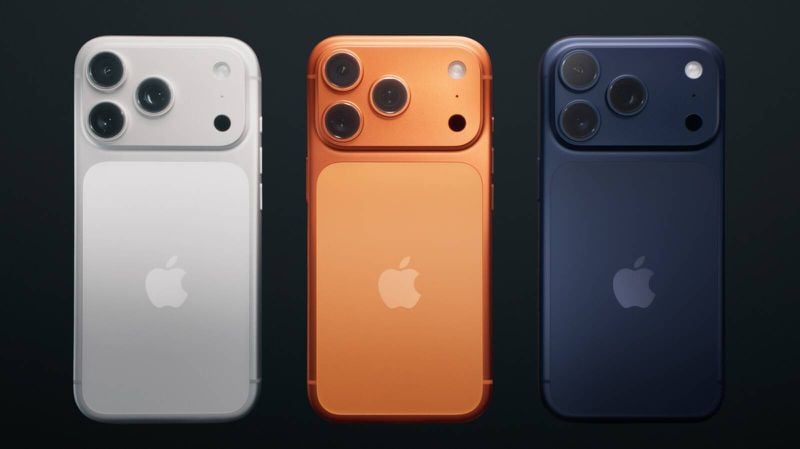
Apple has officially expanded its Self Service Repair Program, opening the doors for owners of the iPhone 17, iPhone 17 Pro, and the brand-new iPhone Air to perform authorized repairs using genuine Apple parts and professional-grade tools.
This move strengthens Apple’s growing commitment to user empowerment, sustainability, and transparency — while aligning with global “Right to Repair” movements.
The announcement has created a buzz in the tech world, signaling that Apple’s strict repair ecosystem is finally evolving toward a more open, consumer-friendly approach.
A Major Milestone for Apple’s Self-Repair Vision
Apple’s self-repair journey began cautiously, but the inclusion of its latest iPhone 17 lineup shows the company is fully embracing the initiative. The new program allows users to purchase official replacement components directly from Apple’s repair store — including displays, batteries, camera modules, and internal hardware parts.
For the first time, Apple is also offering genuine tools and calibration equipment to independent users, ensuring that every repair maintains the same precision and safety standards used by Apple’s certified technicians.
This expansion goes beyond convenience; it represents a shift in Apple’s philosophy — from a closed ecosystem to a more collaborative one where users have genuine ownership of their devices.
Devices Covered Under the Program
The new expansion of Apple’s repair ecosystem now includes:
- iPhone 17
- iPhone 17 Pro
- iPhone 17 Pro Max
- iPhone Air
This marks the first time a “non-Pro” model, like the iPhone Air, has been included at launch. The iPhone Air, known for its slim profile and efficiency, represents a balance between affordability and premium performance — and its inclusion in the self-repair program ensures accessibility for a wider audience.
Available Parts and Tools
Users can now order a variety of genuine Apple components, including:
- Displays and touch assemblies
- Battery units with integrated calibration chips
- Rear and front cameras
- Speakers, vibration modules, and Face ID sensors
- Charging connectors and internal brackets
Alongside parts, Apple provides specialized repair kits containing all the required tools — from precision screwdrivers to suction handles and alignment trays. Each component comes with an official digital repair guide, enabling safe, step-by-step replacement without voiding warranty coverage when done correctly.
Improved Digital Calibration System
A standout innovation in this update is Apple’s digital calibration process, designed to make DIY repairs smoother.
Once users install a new part, they can connect their iPhone to Apple’s official calibration software via an online session. The system verifies the authenticity of the replacement part, aligns sensors, and restores performance metrics like battery health and True Tone display functionality.
This eliminates one of the biggest concerns users faced in earlier repair programs — losing advanced features due to unverified components.
Sustainability and Right-to-Repair Impact
Apple’s decision to extend self-repair support to the iPhone 17 lineup is not just a consumer convenience initiative — it’s also a strategic step in promoting environmental sustainability. By enabling repairs instead of replacements, Apple effectively reduces electronic waste and extends product lifespans.
According to Apple’s internal sustainability reports, self-repair initiatives could cut down electronic waste by nearly 20% across eligible regions. Additionally, the use of recycled materials in iPhone 17’s internal structure further reinforces Apple’s commitment to eco-responsible innovation.
This expansion also responds to increasing legislative pressure in regions like the European Union and United States, where right-to-repair laws are shaping the future of consumer electronics manufacturing and maintenance.
Empowering the Tech-Savvy Consumer
The modern smartphone owner is more informed and capable than ever before. Apple’s move acknowledges that many users — especially those with technical skills — prefer fixing their devices themselves rather than relying solely on service centers.
For these consumers, Apple’s official repair kits provide quality assurance that third-party alternatives cannot always guarantee. The combination of genuine parts, certified tools, and official guides bridges the gap between DIY freedom and manufacturer reliability.
Moreover, Apple’s decision helps eliminate gray markets that sell counterfeit parts or risky repair services, fostering a safer and more transparent repair ecosystem.
The Cost Factor: Repair vs Replacement
Historically, Apple repairs have been costly, leading many users to either replace their phones prematurely or seek unauthorized repair shops. By offering a direct-to-consumer repair program, Apple aims to lower costs without compromising on authenticity.
For instance, replacing an iPhone 17 Pro’s battery through this program could cost roughly 25–30% less than Apple Store service pricing — with the added advantage of performing the repair at home. This cost transparency and flexibility could set new industry standards in the premium smartphone market.
Security and Privacy: Still a Top Priority
One concern often raised in the right-to-repair debate is data security. Apple’s new repair framework addresses this by including hardware-based part authentication and on-device data protection protocols.
Even when repaired at home, the iPhone’s secure enclave ensures that biometric data like Face ID or Touch ID remains untouched and inaccessible.
The combination of self-repair access and strict privacy safeguards shows Apple’s careful balance between openness and security — maintaining user trust while expanding control.
The iPhone Air: A Symbol of Accessibility
Among all devices included, the iPhone Air stands out as a turning point. Positioned as a lightweight yet powerful device for everyday users, the Air represents Apple’s goal of making premium features more accessible.
By including the iPhone Air in its repair ecosystem, Apple not only caters to professionals but also invites everyday consumers to take part in the self-repair revolution. This inclusivity could help Apple expand its footprint in mid-range markets without diluting its brand value.
Industry Impact: Pushing Competitors to Follow
Apple’s decision could pressure other manufacturers — including Samsung, Google, and Xiaomi — to further democratize repair access. While many brands have begun offering parts and guides, Apple’s move carries more weight due to its global influence and market leadership.
Experts predict that this step will accelerate competition in repairability, leading to more repair-friendly smartphone designs in upcoming generations.
Looking Ahead: The Future of Apple’s Repair Ecosystem
Apple’s self-repair expansion marks a significant shift in its corporate identity — from a company once known for closed systems to one embracing user collaboration. Analysts suggest that future devices, such as the iPhone 18 and iPhone SE 5, will launch with immediate repair support on day one.
In time, Apple’s ecosystem could evolve into a hybrid model where professional repair centers and individual users coexist — both operating under Apple’s quality and safety standards.
Final Thoughts
The inclusion of the iPhone 17, iPhone 17 Pro, and iPhone Air in Apple’s self-repair program is more than a technical update — it’s a cultural shift. It signals a new era where users are not just consumers but caretakers of their technology.
By combining sustainability, accessibility, and innovation, Apple is shaping a future where devices last longer, users feel empowered, and technology remains truly personal.
The iPhone 17 lineup’s self-repair capability doesn’t just extend device life — it extends trust between Apple and its users.
Last technically reviewed on November 02, 2025.
How we created & reviewed this content:
The content in this article has been gone through our editorial process and currently reliable.
DISCLAIMER
MPT provides independent, fact-checked information about mobile technology for general reference only and images on this site maybe AI-Assisted where appropriate and relevant. See our Disclaimer for details.
INFORMATION SOURCES
MPT follows strict sourcing standards, relying only on credible, verifiable data from manufacturers, industry benchmarks, and reputable publications. Learn more about how we ensure content accuracy and transparency in our Editorial Policy.
- Internal Apple sustainability roadmap documents
- Apple self-service repair parts catalog (2025 edition)
- Industry analyst commentary on right-to-repair legislation
- Battery performance and calibration technology studies
- Consumer electronics environmental impact reports
- Hardware security whitepapers (Secure Enclave & Face ID architecture)
- Historical pricing data on Apple repair services
- Market forecast reports for self-repair adoption
- Manufacturing process notes from supply chain experts
- Comparative studies of OEM repair ecosystems
- User feedback summaries on Apple’s repair pilot programs
- Tech analyst predictions for iPhone 18 repair readiness
EDITORIAL HISTORY
Our team of writers, editors, and reviewers continually monitors the mobile industry and updates articles when new information becomes available. See how we maintain transparency and editorial integrity in our Editorial Policy.
- Current version
- Edited by Sophia Martinez
- November 02, 2025
- Written by Daniel Kim
- Edited by Sophia Martinez
- Technically reviewed by Jacob Lin & Sophia Ahmed
DISCUSSION & FEEDBACK
We value reader insights and industry feedback to help us keep our content accurate and relevant. Learn how we handle reviews, corrections, and updates in our Editorial Policy.
- Leave a feedback on this post update at Reddit and Youtube.
CITE & SHARE IT
You’re welcome to cite and share MPT content for reference with proper attribution and a link back to the original article — helping more readers access trustworthy, well-researched mobile tech information.