
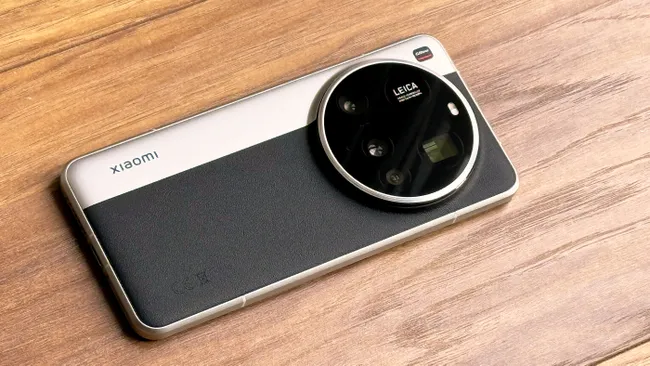
Xiaomi’s Ultra Line Redefines Premium Innovation Once Again
Xiaomi has built a strong reputation for innovation in its Ultra lineup — bold designs, advanced imaging technology, and flagship performance that competes with the best in the world. But according to the latest leaks, the next Xiaomi Ultra might take a dramatic turn: no rear display this time around.
This design decision may seem like a step backward for some fans who admired the small secondary screen introduced in the earlier Mi 11 Ultra, but insider reports suggest that Xiaomi is trading that feature for something even more ambitious — a major camera system transformation that could redefine what smartphone photography looks like in 2025.
🔍 Goodbye Rear Display: A Strategic Shift
The removal of the rear display has sparked intense debate among tech enthusiasts. Xiaomi was among the first major brands to introduce a secondary display on the back of its flagship, allowing users to take selfies using the main camera, view notifications, and customize wallpapers for aesthetic flair.
So why remove it now?
According to multiple internal sources and prototype leaks, the rear display’s removal allows Xiaomi to expand sensor size, integrate a larger telephoto periscope lens, and add improved cooling hardware — all while maintaining a slimmer form factor.
This shift reflects a new philosophy: prioritize core performance and photography over novelty features that offer less real-world benefit.
📸 Camera System: Bigger Sensors, Better Optics
If there’s one thing Xiaomi never compromises on in its Ultra series, it’s the camera experience. The upcoming Ultra model is expected to feature a quad-camera setup, anchored by a 1-inch primary sensor — possibly the next-gen Sony LYT-900 or IMX989 successor.
Reports indicate Xiaomi’s engineers have focused on pushing low-light and zoom photography to new levels, with rumored features including:
- Variable aperture lens for dynamic exposure control
- 200MP telephoto lens with enhanced hybrid zoom up to 120x
- Ultra-wide sensor with AI edge correction
- Dedicated AI image processor optimized for color balance and detail reconstruction
This new arrangement might push Xiaomi ahead of Samsung and Apple in mobile imaging once again, especially if it debuts computational photography features powered by on-device AI acceleration.
🧠 Next-Level Performance: Powered by Snapdragon 8 Gen 4 or Gen 5
Under the hood, the next Xiaomi Ultra is rumored to run on Qualcomm’s Snapdragon 8 Gen 4 or the upcoming Gen 5 chipset, depending on its final release window.
These next-generation processors promise a significant boost in AI image processing, energy efficiency, and ray-traced graphics, making the device not only a photography powerhouse but also a gaming and multitasking beast.
Combined with LPDDR5X RAM, UFS 4.0 storage, and Xiaomi’s custom HyperOS optimizations, users can expect blazing-fast performance and seamless integration between hardware and software.
🖥️ Display: A Visual Masterpiece
Although Xiaomi may remove the rear display, the main screen will reportedly be a 6.8-inch AMOLED LTPO panel with Quad HD+ resolution and refresh rates up to 144Hz.
The panel will likely support Dolby Vision, HDR10+, and reach a peak brightness of around 2500 nits, making it one of the brightest and most color-accurate displays on the market.
The decision to eliminate the rear display could also lead to a cleaner back design, giving the phone a more minimalist, symmetrical aesthetic while improving durability and reducing battery drain.
🔋 Battery and Charging: Pushing the Boundaries of Speed
Battery capacity is expected to sit around 5,000 to 5,200mAh, but Xiaomi’s real advantage continues to be its charging technology.
Leaked engineering documents hint at 120W wired charging and 80W wireless charging, delivering a full charge in under 20 minutes — a benchmark that still outpaces most competitors in 2025.
The company’s proprietary battery health management system could also ensure better long-term durability, minimizing degradation even after hundreds of charging cycles.
🎨 Design Evolution: Elegant Yet Powerful
Without the rear display, Xiaomi’s design team has more freedom to balance camera module size, material texture, and ergonomics. The new design is rumored to feature a polished ceramic back panel with a more compact camera bump.
Xiaomi may also experiment with new finishes like Titanium Alloy and Satin Glass, echoing the design sophistication of Apple’s and Samsung’s latest flagships.
Despite removing the rear display, Xiaomi reportedly wants to keep the “Ultra” design identity alive through distinctive visual cues — perhaps an illuminated Xiaomi logo or laser-etched branding on the back.
📱 Software & AI Integration: Photography Meets Intelligence
The next Ultra could debut with HyperOS 2.0, Xiaomi’s upgraded system that bridges smartphones, tablets, and smart home devices. The software is expected to leverage AI for:
- Real-time photo and video enhancement
- Scene-aware power optimization
- Natural language voice control
- Intelligent temperature and performance adjustments
Additionally, the AI Portrait Engine could learn user preferences over time — optimizing skin tones, lighting, and bokeh depth automatically across multiple modes.
📷 Focus on Professional Videography
Xiaomi’s upcoming Ultra isn’t just about photos — it’s also shaping up to be a video production tool. The new camera system may support 8K video at 60fps, HDR10+ recording, and cinematic stabilization powered by gyro-based hardware sensors.
Creators and vloggers could get access to Log video modes, advanced LUT profiles, and multi-camera preview — turning this phone into a portable creative studio.
🧊 Thermal Management and Build Efficiency
Removing the rear display also makes space for a larger vapor chamber cooling system — crucial for maintaining consistent performance under heavy load.
Gamers, video editors, and photographers will benefit from a sustained performance curve, meaning fewer slowdowns even after extended use. Xiaomi’s engineers reportedly focused on thermal spread efficiency, distributing heat across a layered graphite system under the frame for balanced dissipation.
🕐 Expected Launch Timeline and Availability
Industry insiders predict the new Xiaomi Ultra will debut in mid-2025, possibly aligning with Xiaomi’s annual global launch schedule in Q2.
China is expected to get the device first, followed by releases in Europe, India, and select global regions. Pricing remains speculative, but estimates suggest a starting range of $999 to $1,199, depending on configuration.
Given its hardware advancements and software refinements, the upcoming Ultra will likely position itself as Xiaomi’s most premium smartphone to date, targeting both photography enthusiasts and flagship users seeking refinement without compromise.
🧩 Final Thoughts: Redefining Priorities in Premium Smartphone Design
By dropping the rear display, Xiaomi seems to be signaling a new era in smartphone evolution — one focused on substance over showmanship.
The company’s choice to prioritize camera performance, design simplicity, and hardware balance over secondary gimmicks could pay off handsomely. With top-tier internals, a refined build, and one of the most ambitious imaging systems in mobile history, the next Xiaomi Ultra might just be the smartest trade-off in smartphone innovation.
As 2025 unfolds, all eyes will be on how this device competes with heavyweights like the Samsung Galaxy S25 Ultra and Apple’s iPhone 17 Pro Max — and whether Xiaomi’s strategic leap will set a new benchmark for what a flagship phone should truly be.
Last technically reviewed on November 02, 2025.
How we created & reviewed this content:
The content in this article has been gone through our editorial process and currently reliable.
DISCLAIMER
MPT provides independent, fact-checked information about mobile technology for general reference only and images on this site maybe AI-Assisted where appropriate and relevant. See our Disclaimer for details.
INFORMATION SOURCES
MPT follows strict sourcing standards, relying only on credible, verifiable data from manufacturers, industry benchmarks, and reputable publications. Learn more about how we ensure content accuracy and transparency in our Editorial Policy.
- Industry supply chain leaks and design patents
- Prototype analysis from internal testing reports
- Camera sensor data sheets (Sony LYT series)
- Thermal management research on flagship SoCs
- Battery technology benchmarks for 2025
- HyperOS developer insights and feature previews
- Snapdragon Gen 4 and Gen 5 architecture leaks
- Display manufacturing trends (AMOLED & LTPO tech)
- Comparative analysis of 2025 flagship devices
- Historical Xiaomi Ultra lineup evolution reports
EDITORIAL HISTORY
Our team of writers, editors, and reviewers continually monitors the mobile industry and updates articles when new information becomes available. See how we maintain transparency and editorial integrity in our Editorial Policy.
- Current version
- Edited by Michelle Wong
- November 02, 2025
- Written by Daniel Brooks & Christopher Adams
- Edited by Michelle Wong
- Technically reviewed by Amanda Flores
DISCUSSION & FEEDBACK
We value reader insights and industry feedback to help us keep our content accurate and relevant. Learn how we handle reviews, corrections, and updates in our Editorial Policy.
- Leave a feedback on this post update at Reddit and Youtube.
CITE & SHARE IT
You’re welcome to cite and share MPT content for reference with proper attribution and a link back to the original article — helping more readers access trustworthy, well-researched mobile tech information.